In the history of Kilmarnock F.C., few moments evoke as much reflection as the relegation in 1991. After a challenging season in the Scottish Premier Division, the club found itself relegated to the First Division, a bitter pill for supporters and players alike. It was a season that culminated in disappointment, with the team finishing at the bottom of the league, but the story did not end there.
Kilmarnock's relegation was a wake-up call that would lead to a period of introspection and eventual transformation. The immediate aftermath saw a significant reshuffling of the squad, with management looking to build a team that embodied the club's fighting spirit. Under the guidance of new manager, the focus shifted from merely surviving in the top tier to creating a competitive side that could not only return but thrive.
The 1991-92 season in the First Division became a key turning point. The club's young talents emerged as key players, igniting hope among fans who had faced the harsh reality of relegation. The likes of future stars began to shows their talents, and the stadium buzzed with renewed optimism. This was a period where every match was a chance for redemption; each victory was celebrated as a step towards reclaiming Kilmarnock's rightful place in Scottish football.
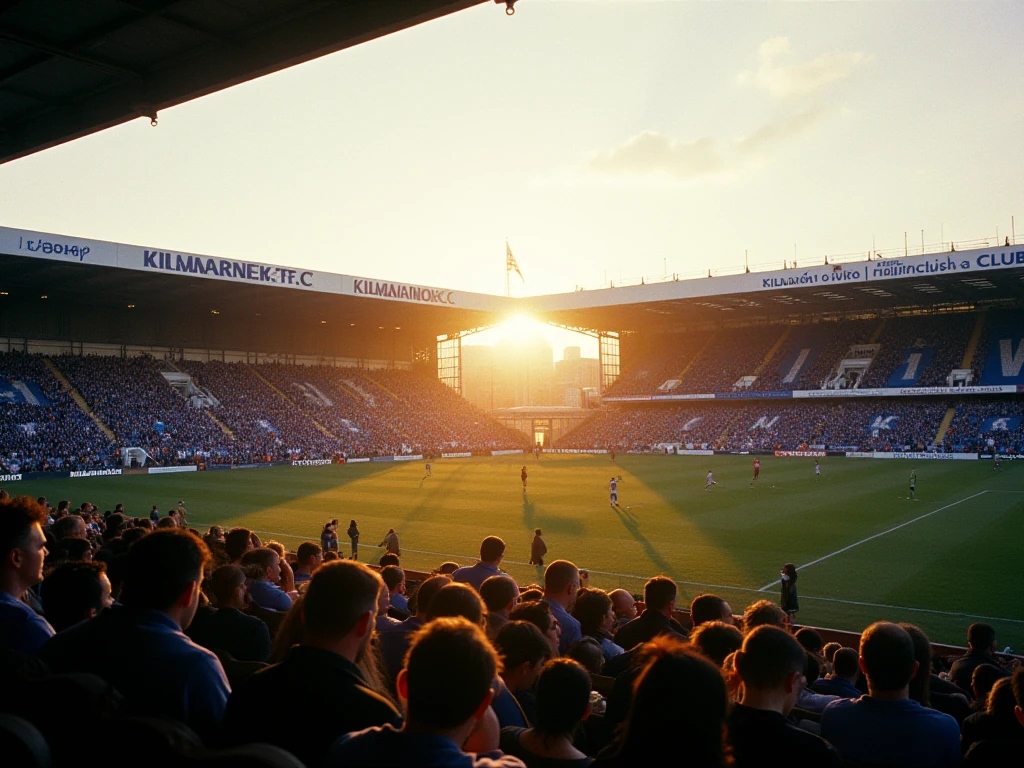
Kilmarnock's determination paid off in the 1993-94 season when they achieved promotion back to the Premier Division. The triumph was not only about returning to the top flight; it was a sign of the resilience and unwavering support of the Killie faithful. Fans flooded Rugby Park, their chants echoing a message of solidarity, reminding the players that they were never alone in their fight.
This promotion marked the beginning of a new chapter, as Kilmarnock began to establish itself as a competitive force in Scottish football once again. The return to the Premier Division was accompanied by a series of impressive performances, and the club quickly became known for its entertaining style of play. The lessons learned from relegation were evident as the team now played with a renewed sense of confidence and purpose.
The resurgence also had a profound effect on the club's infrastructure, with investments made to improve facilities and youth development. The foundation laid during these years would bear fruit for decades to come, as Kilmarnock began to nurture homegrown talent that would go on to make significant contributions both at the club and in Scottish football as a whole.
In hindsight, the relegation of 1991 became a catalyst for change, forcing Kilmarnock F.C. To reassess its approach and priorities. It was a moment that initially felt like a setback but ultimately ignited a passion within the club that propelled it to success in subsequent years. The journey from relegation to resurgence serves as a reminder of the club's resilience and the unwavering support of its fans, who stood by their team through thick and thin, ensuring that the spirit of Kilmarnock F.C. Would endure for generations to come.